
Floors That Hold Up to How You Use Them
Flooring Installation in Canton for worn carpet, damaged hardwood, or outdated vinyl
Current flooring telegraphs its condition through visible wear patterns, loose sections that buckle or gap, and surfaces that no longer clean properly because the finish has worn through to bare material. Rite worx installs all flooring types in Canton including carpet, hardwood, vinyl plank, tile, and mosaic, with material selection based on room function, substrate condition, and how much traffic the floor will handle. Installation addresses both the flooring material itself and the subfloor preparation that determines whether the finished floor remains flat and stable.
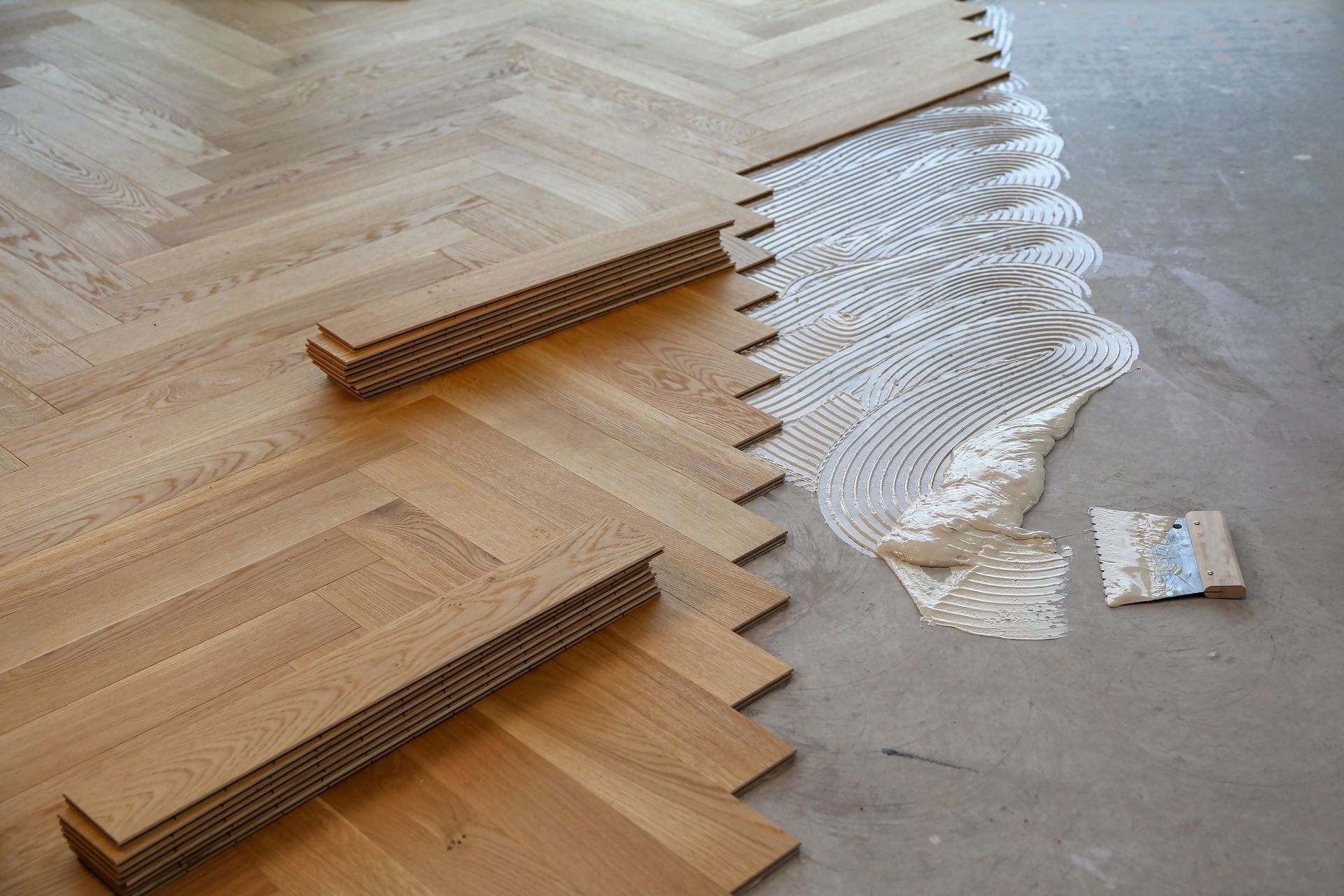
Flooring installation begins with removing existing floor covering and inspecting the subfloor for damage, squeaks, or unevenness that would transfer through to the new flooring. Vinyl plank and tile require perfectly flat substrates because even small dips or humps become visible once rigid flooring is installed, while carpet and hardwood can tolerate minor subfloor imperfections. The installation method varies by material type with carpet stretched and tacked, hardwood nailed or glued, vinyl plank clicked or glued, and tile set in thin-set mortar.
Schedule a flooring assessment to evaluate your subfloor condition and review material options.
What Flooring Installation Actually Accomplishes
Subfloor preparation eliminates squeaks by securing loose boards, levels out dips and humps that would show through finished flooring, and replaces any water-damaged or structurally compromised sections. Hardwood installation involves acclimating boards to your home's humidity level before installation so they don't shrink or expand excessively after being nailed down. Vinyl plank flooring clicks together with interlocking edges that create a floating floor which can expand and contract slightly without buckling. Tile installation requires setting each tile level with adjacent tiles while maintaining consistent grout joint width, then grouting and sealing once the mortar cures.
After installation, you'll notice the floor sits level across the entire room without dips where furniture would rock or high spots that create tripping hazards, and the surface feels solid underfoot without bouncing or squeaking when you walk across it. Hardwood floors show consistent color and grain pattern with tight seams between boards, carpet stretches smooth without wrinkles or loose areas, and vinyl plank joints lock tightly so you don't see gaps or feel edges between planks. Tile floors have uniform grout lines and a flat plane across all tiles so rolling chairs or furniture sliders move smoothly.
Material choice affects durability and maintenance requirements, with tile and vinyl plank handling moisture better than hardwood or carpet in kitchens, bathrooms, and basements. Carpet provides cushioning and warmth in bedrooms and living areas but shows traffic patterns faster than hard surfaces. Hardwood offers refinishing potential when the surface wears but requires humidity control to prevent gapping or cupping. Mosaic tile works well for decorative accents or small areas where intricate patterns add visual interest.
Rite worx installs all flooring types and provides guidance on which materials suit your specific rooms and usage patterns in Canton. Request a material consultation and installation estimate to compare options for your flooring project.
Questions Before Starting Your Project
Flooring decisions often involve comparing material performance and understanding what installation requires.
What subfloor preparation is needed before new flooring goes down? Loose or squeaky areas get screwed down tightly, low spots are filled with leveling compound to create a flat plane, and any water-damaged sections are cut out and replaced with new plywood or OSB sheathing.
How does vinyl plank flooring perform compared to tile in Canton basements? Vinyl plank installs faster than tile, feels warmer underfoot because it doesn't conduct heat away from your feet as quickly, and handles minor subfloor movement better because the floating floor system allows slight flexing without cracking.
What thickness of hardwood works best for installation over existing subfloors? Three-quarter-inch solid hardwood or engineered hardwood in thicknesses from three-eighths to five-eighths inch both work well, with engineered products offering better dimensional stability in areas where humidity fluctuates seasonally.
When should carpet be replaced rather than cleaned? Carpet replacement makes sense when padding has compressed and no longer provides cushioning, when seams have separated or edges have pulled away from tack strips, or when stains and wear patterns cover enough area that cleaning won't restore acceptable appearance.
What affects how long flooring lasts after installation? Proper subfloor preparation prevents premature failure from movement or moisture, maintenance practices like regular cleaning and refinishing extend surface life, and choosing materials appropriate for the room's moisture and traffic levels prevents early deterioration.