
Climate Control Systems That Work When Needed
HVAC in Canton for furnace failures, inefficient air conditioning, or ductwork problems
Heating and cooling systems demonstrate their failure through temperature swings, rooms that never reach thermostat settings, and rising energy bills that indicate equipment is running longer to produce less output. Rite worx provides full HVAC services in Canton including furnace installation, air conditioning installation, and ductwork installation or modification so your home maintains consistent temperature throughout all seasons. The work addresses both equipment sizing for your home's square footage and insulation levels, and ductwork design that delivers conditioned air evenly to every room.
HVAC installation involves calculating heat loss and cooling load for your home, selecting equipment with appropriate capacity, positioning units for efficient air distribution, and connecting ductwork that balances airflow between supply and return vents. Furnace installation includes fuel line or electrical connections, venting for combustion gases, condensate drainage for high-efficiency models, and thermostat wiring that controls heating cycles. Air conditioning installation requires refrigerant line connections between indoor and outdoor units, electrical supply sized for compressor startup loads, and condensate drainage that prevents water backup into your home.
Request a system evaluation to assess your current equipment capacity and ductwork condition.
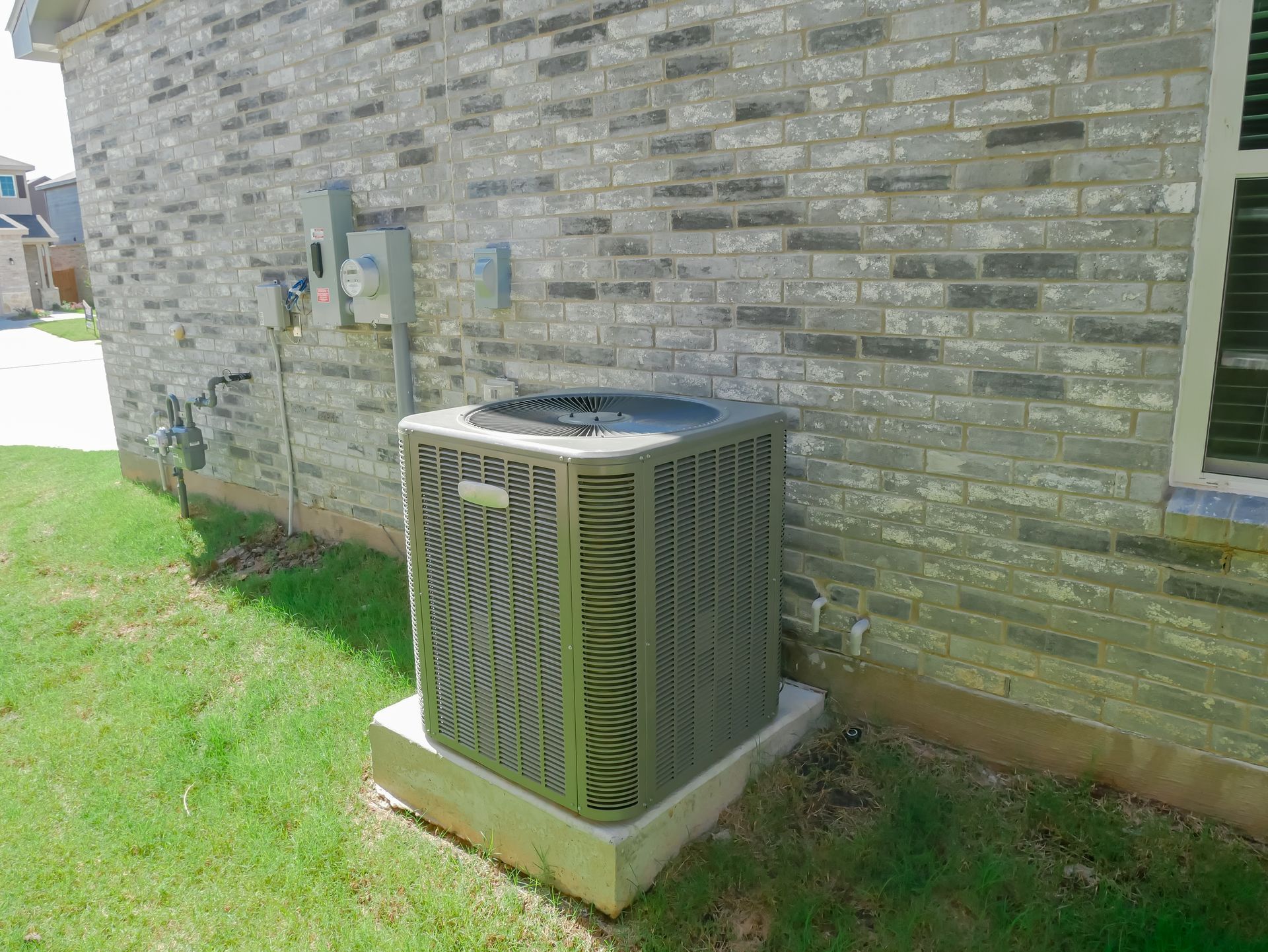
The Difference Between Undersized and Properly Sized HVAC
Equipment sizing determines whether your system can actually achieve the temperature you set on the thermostat because undersized furnaces run continuously on cold days without raising interior temperature adequately, while undersized air conditioners struggle to remove humidity even when they lower temperature slightly. Ductwork design affects whether conditioned air reaches distant rooms effectively or leaks into attics and crawlspaces where it provides no benefit. Supply vents need to be positioned and sized so each room receives airflow proportional to its size and heat loss, and return vents must be large enough to avoid creating negative pressure that restricts system performance.
After installation, you'll notice the furnace or air conditioner cycles on and off rather than running continuously, rooms reach the thermostat setting within a reasonable time, and temperature stays consistent throughout the home without hot or cold zones. The system operates quietly without rattling ductwork or excessive blower noise, and air moves through vents with steady pressure rather than weak flow in some rooms and excessive flow in others. Energy costs stabilize because properly sized equipment doesn't waste fuel trying to compensate for insufficient capacity or leaky ducts.
Canton's seasonal temperature swings require heating systems that handle extended periods below freezing and cooling systems that manage summer humidity along with temperature reduction. Ductwork in unconditioned spaces like attics or crawlspaces needs insulation to prevent heat loss in winter and heat gain in summer as conditioned air travels from the furnace or air handler to living spaces. Air duct sealing eliminates leaks at joints and connections where significant airflow loss typically occurs in older duct systems.
Rite worx handles complete HVAC installation including equipment sizing, ductwork evaluation, and system startup to verify proper operation. Schedule a consultation to discuss system options and installation requirements for your Canton home.
What Property Owners Usually Ask
HVAC questions typically focus on system sizing, installation requirements, and equipment options.
How is furnace size determined for a Canton home? Heat loss calculation accounts for insulation levels, window area, air leakage, and design temperature so the furnace has enough capacity to maintain interior temperature when outdoor temperature drops to typical winter lows for this region.
What ductwork modifications are needed when replacing HVAC equipment? Existing ducts are inspected for leaks, sizing adequacy, and insulation condition, then leaks are sealed, undersized sections are replaced, and insulation is added where ducts run through unconditioned spaces.
How does air conditioning sizing differ from furnace sizing? Cooling load calculation includes heat gain from sun exposure through windows and roofs, internal heat from appliances and occupants, and humidity removal capacity, which requires different sizing factors than heating capacity.
What installation steps happen for a new furnace in Canton? The old furnace is disconnected and removed, the new unit is positioned and leveled, fuel or electrical connections are made per code requirements, venting is installed for exhaust gases, and the thermostat is wired to control heating cycles.
What changes after HVAC installation is complete? Temperature responds predictably to thermostat adjustments, rooms heat and cool at similar rates without some areas lagging behind, the system runs quietly through normal cycles, and energy bills reflect efficient operation rather than equipment struggling to maintain temperature.
