
Walls Prepared and Coated for Clean Appearance
Interior Painting in Canton for spaces showing wear, color changes, or surface preparation before occupancy
Paint that shows roller marks, uneven sheen, or color bleed at trim lines signals rushed application or inadequate surface preparation. Preparation determines whether new paint adheres properly and dries to a uniform finish without revealing underlying stains or texture inconsistencies. Rite worx completes interior painting in Canton by addressing wall condition before any coating goes on, ensuring the finished surface reflects light evenly and maintains appearance through routine cleaning.
The process begins with surface cleaning to remove dust and oils, followed by patching holes and cracks with compound that's sanded flush once dry. Primer goes on stained areas, bare drywall, and patched sections to seal the surface and create uniform absorption. Paint then applies in multiple coats, with cutting-in along edges before rolling to avoid lap marks and maintain wet edges throughout each wall section.
Arrange a room-by-room walkthrough to identify surface repairs and select paint finishes appropriate for each space's use.
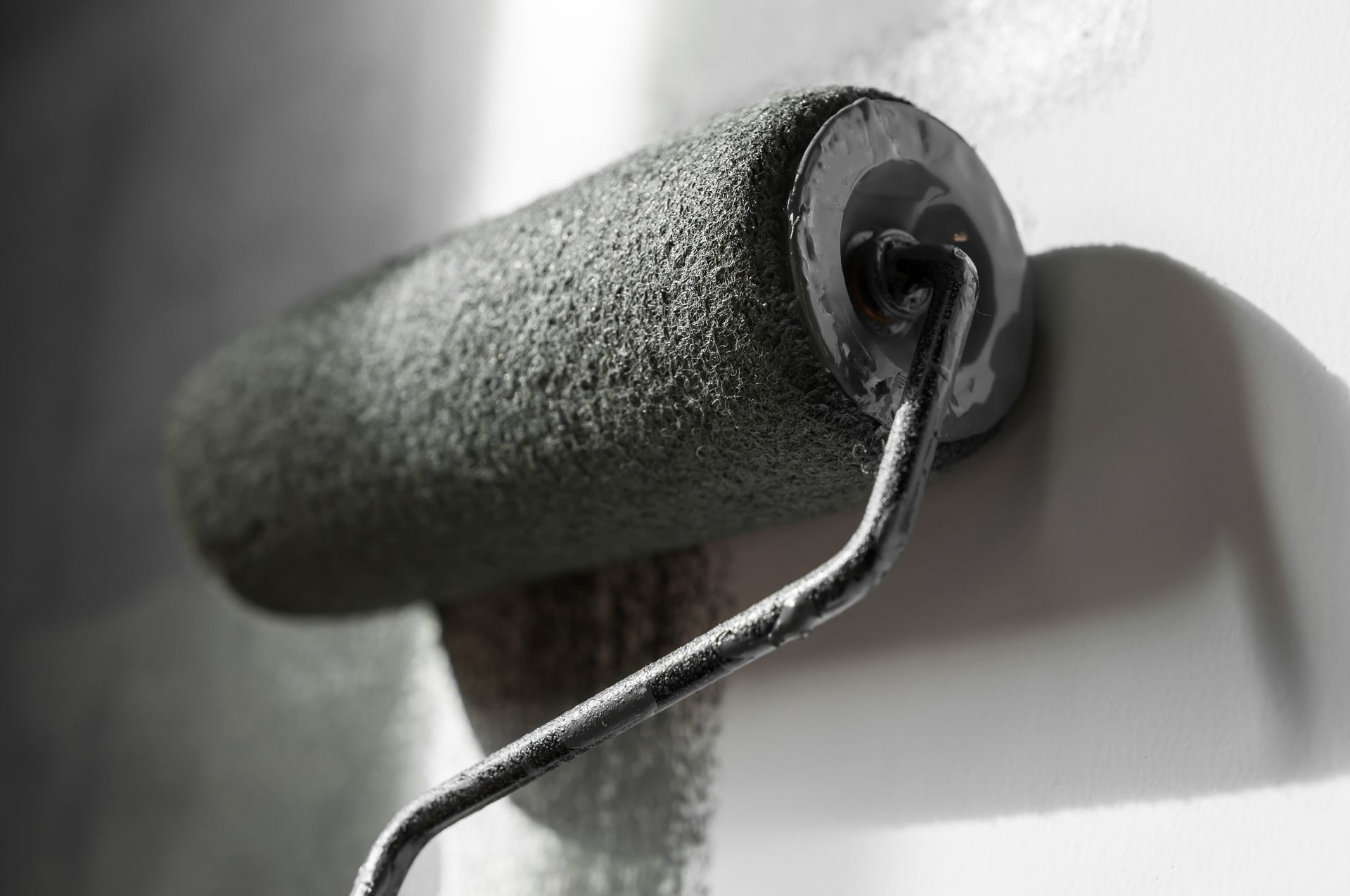
How Interior Painting Addresses Surface Condition
Walls accumulate damage from furniture contact, nail holes, settling cracks, and moisture exposure, and paint will not hide these defects without preparation. Patching compound fills voids and feathers out to blend with surrounding surfaces, while sanding removes ridges and rough texture so the final coat dries smooth. Primer blocks stains from bleeding through topcoats and equalizes surface porosity where patches meet existing paint.
After the final coat cures, walls show consistent color from corner to corner without streaking or sheen variation. Trim lines appear sharp where wall color meets ceilings, baseboards, and casings, and the surface resists scuffing during normal contact. Light reflects uniformly across the wall rather than highlighting application patterns or underlying repairs.
This service covers wall and ceiling surfaces but does not include wallpaper removal, extensive plaster repair, or cabinet painting, which involve different preparation and coating methods. Sheen selection affects durability and cleanability, with higher gloss finishes showing surface imperfections more readily but tolerating repeated cleaning better than flat paints.
Rite worx prepares and paints interior surfaces with attention to substrate condition and finish quality. Request an estimate that includes surface repair and primer application based on your rooms' current condition.
Common Questions About This Service
Clients preparing to repaint interior spaces typically ask about preparation steps, drying time, and how paint selection affects the final result.
What preparation happens before paint application? Surfaces are cleaned to remove dust and grease, holes and cracks are filled with patching compound and sanded smooth, and primer is applied to stained areas, bare drywall, and all patched sections to ensure uniform topcoat adhesion and appearance.
How does paint finish selection affect room performance? Flat finishes hide surface imperfections but mark easily and resist cleaning poorly, while satin and semi-gloss finishes tolerate wiping and scrubbing better but reveal wall texture and application flaws more visibly under angled light.
When should interior painting be scheduled in Canton? Painting proceeds most efficiently when humidity stays moderate and windows can be opened for ventilation, making spring and fall ideal in Canton, though interior work continues year-round since temperature and moisture levels remain controlled inside conditioned spaces.
What causes paint to peel or blister after application? Peeling occurs when paint applies over dirty, greasy, or powdery surfaces without proper cleaning and priming, or when moisture migrates through walls from plumbing leaks or exterior water intrusion and pushes the coating away from the substrate.
How many coats does interior painting typically require? Most projects need one primer coat over repairs and stains plus two topcoats for uniform color and durability, though dramatic color changes or coverage over dark existing paint may require additional topcoats to eliminate shadowing.
